
The iPhone's Enduring Illusion: What the 'Cheaper' Past Really Cost
Unpacking Apple's iPhone pricing from 2007 to today. The Byte Republic examines how inflation and carrier shifts redefine perceived value for global consumers.
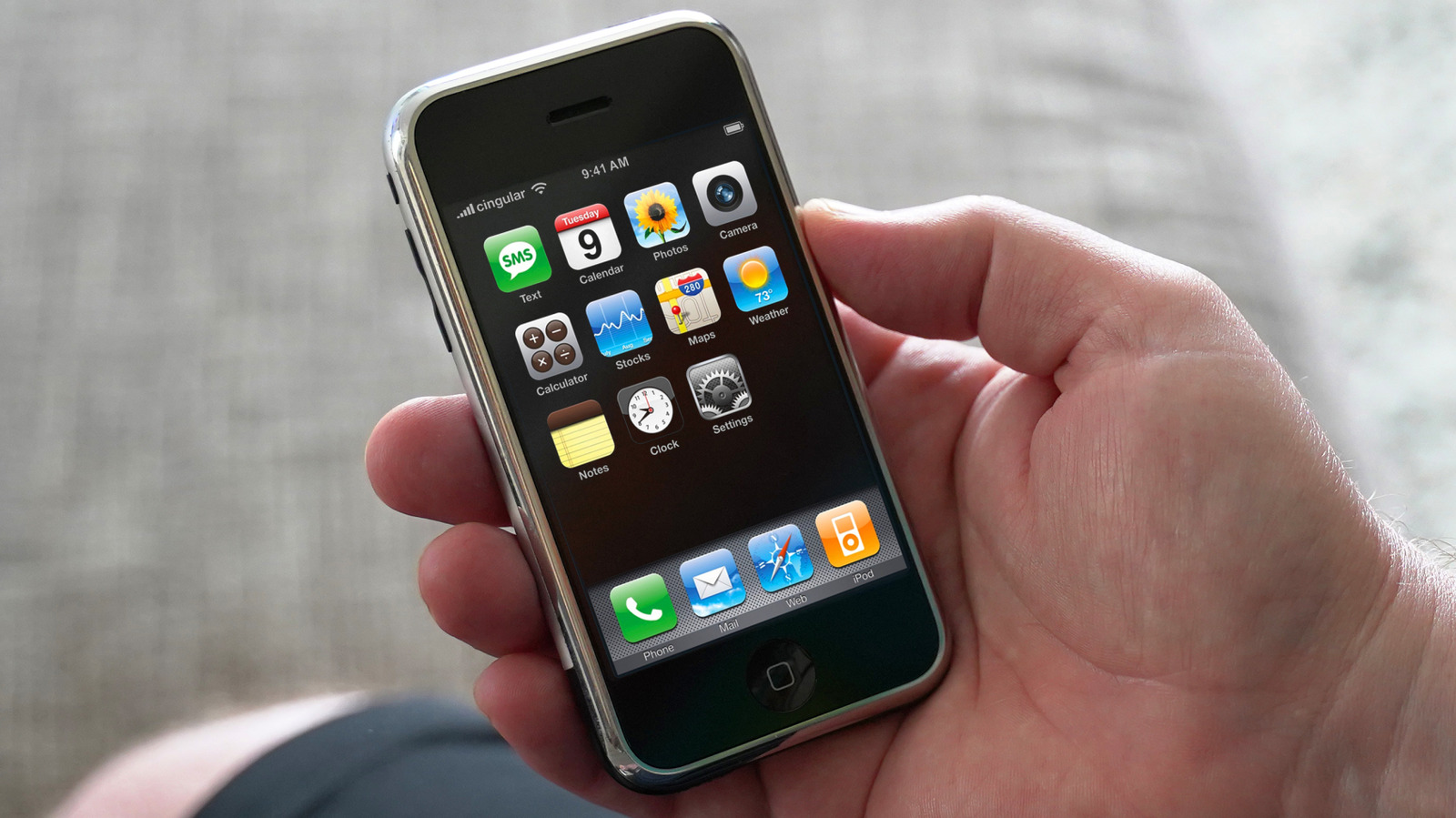
The collective gasp when Apple unveils its latest iPhone pricing has become a predictable annual ritual. With flagship models pushing well past the four-figure mark, and new segments like the 'Duo' flirting with luxury car down payments, it’s easy to feel like Cupertino has completely abandoned its roots. But what if the outrage is, at least partially, a mirage?
The Inflationary Reality Check
The narrative of exponentially spiraling iPhone costs often glosses over two critical factors: inflation and carrier subsidies. The original 2007 iPhone, a groundbreaking device at $499 for its 4GB model, feels like a relic from a more affordable era. Yet, adjust that $499 for nearly two decades of inflation, and that figure leaps to over $800 in today's dollars. Suddenly, the base iPhone 17's $899 sticker price doesn't look quite as outlandish.
Crucially, those early models weren't truly 'unlocked' consumer purchases in the way we understand them today. The original iPhone required a mandatory, expensive two-year AT&T contract, bundling in charges that effectively subsidized the hardware. Remember the $199 iPhone 3G or 3GS? Those seemingly dirt-cheap prices were heavily underwritten by carriers eager to lock in customers to lucrative long-term plans. The true cost of ownership was absorbed through monthly bills, making the initial outlay palatable but masking the actual value of the device. Today, most consumers opt for unlocked devices, bearing the full, transparent cost upfront, a fundamental shift in the economics of smartphone acquisition.
More Than Just a Phone: Value Evolution
Beyond the sticker price, what you get for your inflation-adjusted dollar has fundamentally transformed. The 2007 iPhone, revolutionary as it was, lacked a front-facing camera, App Store, GPS, or even 3G connectivity. Today's iPhones are pocket supercomputers, boasting multi-lens camera arrays, AI-driven custom silicon, advanced OLED displays, robust security features, and a sprawling ecosystem of apps and services. The raw computational power, material science, and engineering prowess packed into an iPhone 17 far outstrip its ancestor, offering orders of magnitude more capability.
The Global Angle
For our global audience, this pricing dynamic takes on an even sharper edge. While the inflation-adjusted cost might be relatively stable in the US, Apple's devices often carry significantly higher price tags in international markets. Currency fluctuations, import duties, local taxes, and varying economic conditions mean an iPhone can be perceived as an ultra-luxury item, especially in emerging economies. This amplifies the brand's aspirational status but also widens the digital divide, making access to cutting-edge technology a privilege for the few. Apple's consistent premium positioning globally, regardless of local purchasing power parity, reinforces its brand identity as a high-end product, influencing consumer behavior and market share dynamics well beyond Cupertino's direct control. The perceived 'affordability' of the past, even if a myth, offers a stark contrast to the global reality of acquiring a new iPhone today.
Source: Engadget

Silicon vs. Slop: The Battle for Photographic Authenticity Begins
As AI deepfakes flood the internet, CAIM1's prototype camera offers a hardware-backed cryptographic solution to restore trust in digital images. "The Byte…

Decentralized AI: The True Cost of Cutting the Cloud Cord
Want AI on your own terms? The Byte Republic explores the critical hardware specs and financial investment needed to run powerful LLMs directly on your PC.

Your Old Laptop's Encore: Unleashing Dual-Screen Productivity Without New Hardware
Unleash hidden potential! Learn how savvy tech users are transforming old laptops into valuable second monitors, boosting productivity and reducing e-waste…
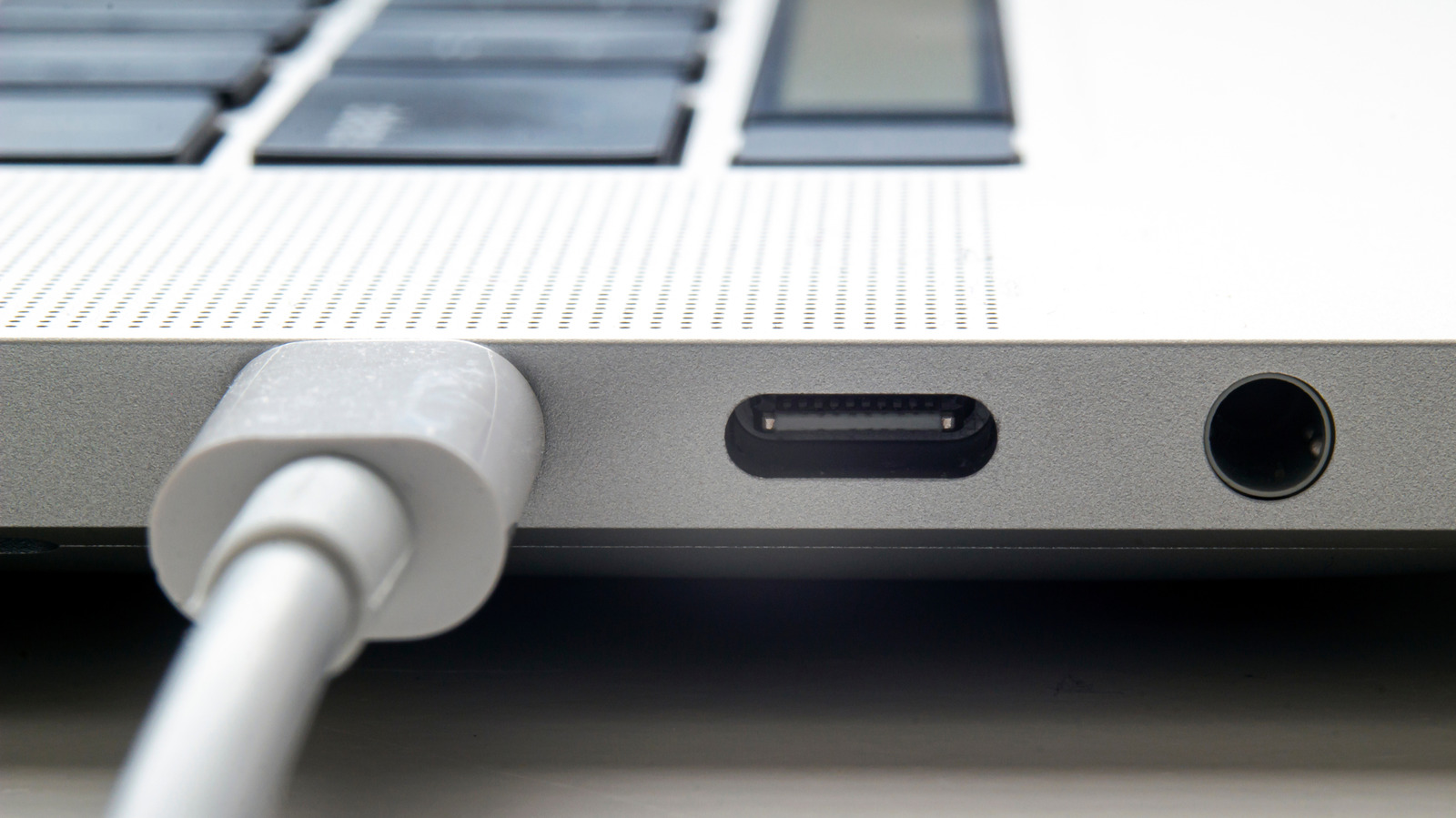
The Phantom Port: Decoding Your MacBook's USB Disconnects
Even Apple, a USB pioneer, can stumble. Dive into why MacBooks sometimes miss USB devices, common fixes, and the global implications of connection friction.
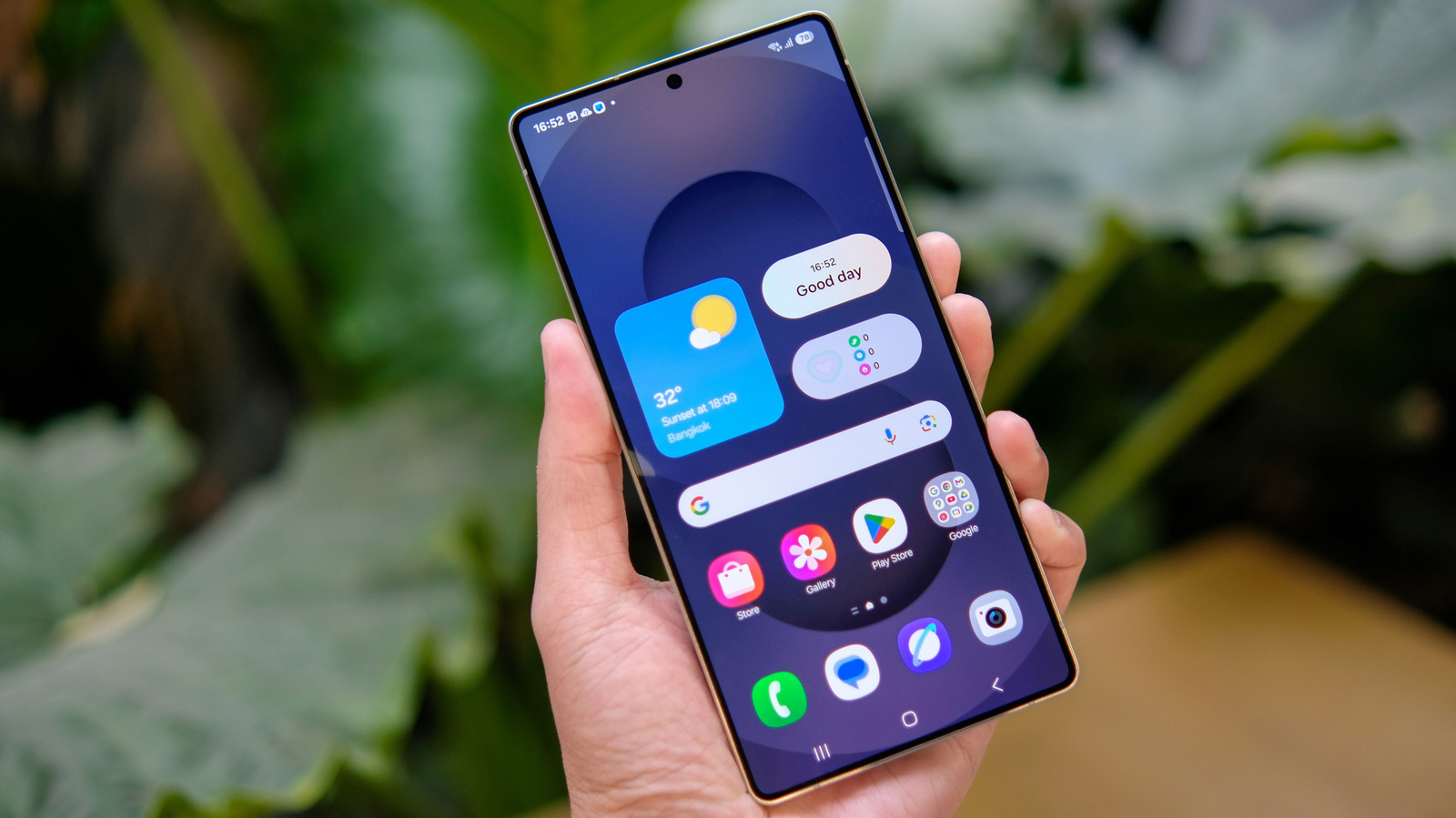
One UI's App Drawer: A Nod to Legacy in a Gesture-Driven Era
Samsung's One UI quietly removed the "all apps" button by default, yet offers a surprising olive branch to traditionalists. We unpack this subtle battleground…

AI's Architect Under Siege: Jensen Huang's Affair Sparks Espionage Probe
NVIDIA launches probe into CEO Jensen Huang over alleged Chinese spy efforts, linking a top executive's affair to national security concerns in the AI race.

Defying the Upgrade Cycle: Your Old Smartwatch Isn't Dead Yet
Don't toss that old smartwatch. Discover how to transform forgotten tech into a dedicated AI assistant, tracker, or note-taker, challenging Big Tech's upgrade…