
Decentralized AI: The True Cost of Cutting the Cloud Cord
Want AI on your own terms? The Byte Republic explores the critical hardware specs and financial investment needed to run powerful LLMs directly on your PC.

For too long, the promise of powerful Artificial Intelligence has been shackled to the whims and exorbitant fees of hyperscale cloud providers. But a silent revolution is brewing on our desktops, powered by tools like Ollama and LM Studio, allowing individuals to run sophisticated Large Language Models (LLMs) locally. The allure is undeniable: complete data privacy, no internet dependency, and zero recurring subscriptions. Yet, the elephant in the server room remains: what exactly does it take to truly unleash this personal AI autonomy?
The Allure of Autonomy
The shift towards local AI isn't merely about convenience; it's a profound statement on digital sovereignty. Imagine interacting with an AI assistant whose knowledge base resides entirely on your machine, your sensitive queries never touching external servers. This vision is now tangible. However, the performance and sophistication of your local LLM are inextricably linked to the raw computational muscle residing within your PC tower or laptop.Decoding the Hardware Demands
The primary bottleneck for running local AI models is memory. Specifically, both system RAM and, critically, Graphics Card VRAM. LLMs are measured in 'parameters,' with more parameters generally equating to greater intelligence. While advanced 'quantization' techniques compress these models significantly – often reducing them to a quarter of their original size – they still demand substantial memory. A modest 16GB RAM setup might comfortably handle smaller 7-8 billion parameter models (like Meta's Llama 3.1 8B or Alibaba's Qwen3 8B, especially when paired with 8GB of VRAM). But to venture into the realm of models approaching the capabilities of frontier AI – think 30B to 70B parameters – you're looking at a serious hardware upgrade: a minimum of 32GB system RAM and, ideally, a graphics card boasting 16GB or more of dedicated VRAM. This, at current market rates, comes with a significant price tag.Even clever architectural innovations like 'Mixture of Experts' (MoE), which allow models like OpenAI's gpt-oss-20b to activate only a fraction of their parameters for each 'token' generated, still require the entire model to reside in memory. While gpt-oss-20b can operate with 16GB of memory, its 14GB footprint within Ollama leaves little headroom for other tasks.
Speed vs. Scale: The Performance Equation
Beyond mere capacity, speed is paramount. Each time an LLM generates a token (a word or part of a word), it must sift through its entire parameter set. This process is intensely memory-bound, meaning performance hinges less on raw CPU power and more on memory bandwidth. The VRAM on a dedicated graphics card operates at speeds exponentially faster than standard system RAM. This is why a model that fully fits onto your GPU's VRAM will respond with far greater alacrity than one that spills over into the slower system memory. For a smooth, human-like interaction, aiming for a generation speed of 5-10 tokens per second is ideal, a benchmark that often necessitates a robust GPU.The Global Angle
For "The Byte Republic's" global audience, the decentralization of AI holds profound implications. In regions sensitive to data sovereignty, or where robust internet infrastructure is still developing, running AI locally isn't just a convenience; it's a strategic imperative. It empowers local businesses, researchers, and governments to leverage advanced AI without exporting sensitive data to foreign cloud providers or relying on potentially unreliable network connections. Furthermore, it democratizes access to cutting-edge AI for innovators who may lack the capital for extensive cloud subscriptions, fostering local technological ecosystems free from the immediate gravitational pull of Silicon Valley's titans. This shift could redefine competitive landscapes, allowing for truly localized AI solutions tailored to specific cultural, linguistic, and regulatory contexts.Source: Engadget

Silicon vs. Slop: The Battle for Photographic Authenticity Begins
As AI deepfakes flood the internet, CAIM1's prototype camera offers a hardware-backed cryptographic solution to restore trust in digital images. "The Byte…

Your Old Laptop's Encore: Unleashing Dual-Screen Productivity Without New Hardware
Unleash hidden potential! Learn how savvy tech users are transforming old laptops into valuable second monitors, boosting productivity and reducing e-waste…
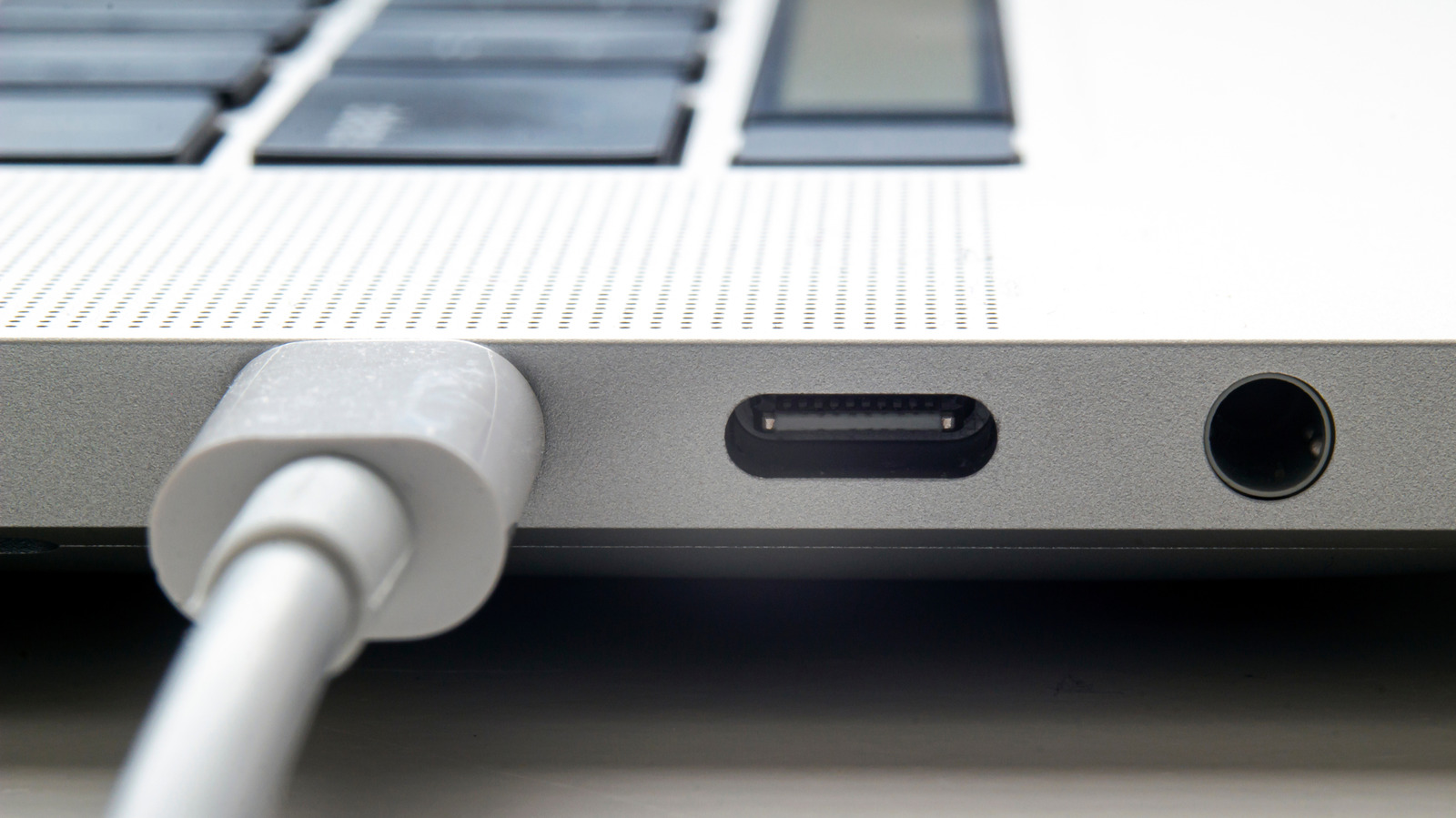
The Phantom Port: Decoding Your MacBook's USB Disconnects
Even Apple, a USB pioneer, can stumble. Dive into why MacBooks sometimes miss USB devices, common fixes, and the global implications of connection friction.

One UI's App Drawer: A Nod to Legacy in a Gesture-Driven Era
Samsung's One UI quietly removed the "all apps" button by default, yet offers a surprising olive branch to traditionalists. We unpack this subtle battleground…
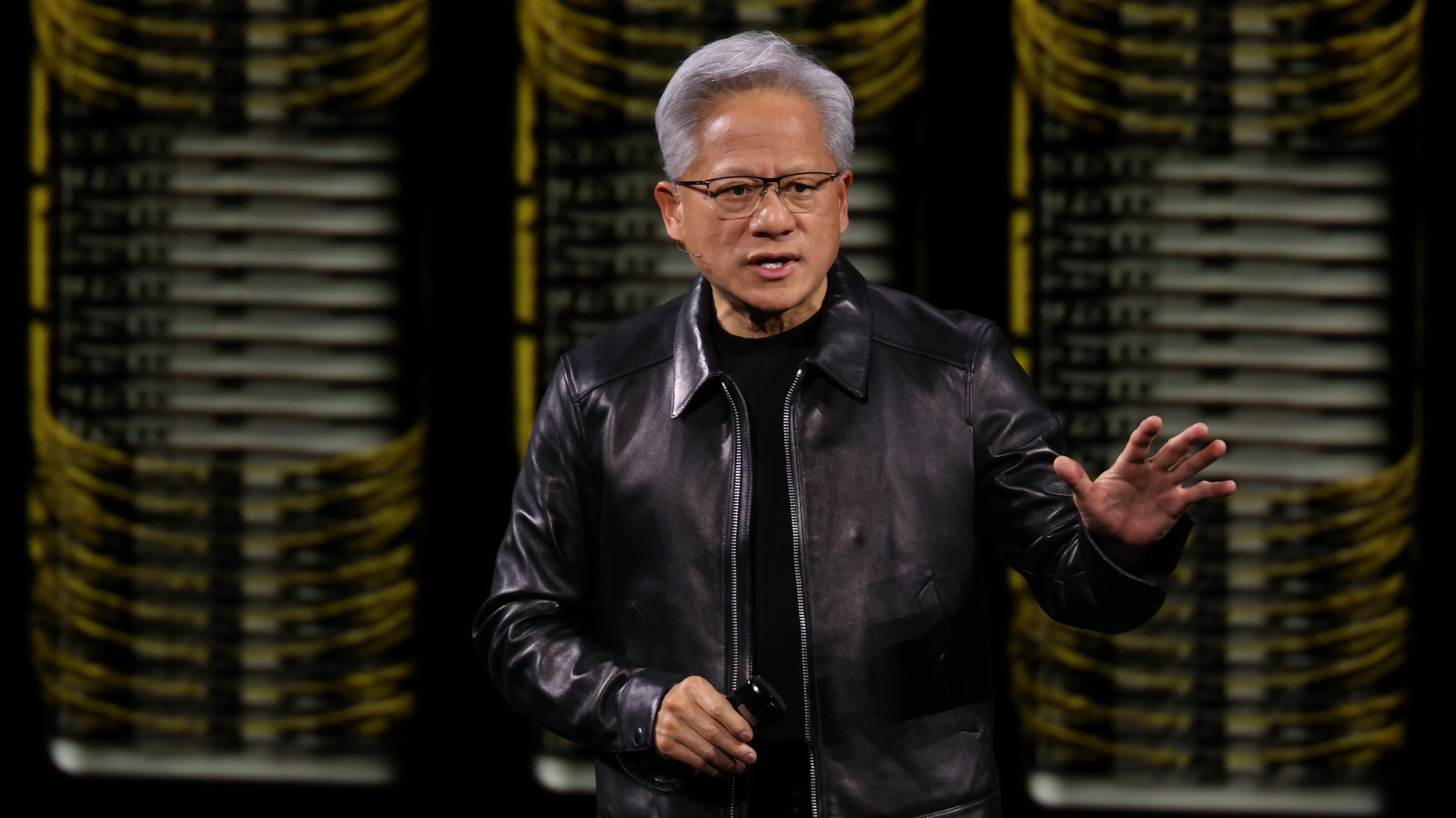
AI's Architect Under Siege: Jensen Huang's Affair Sparks Espionage Probe
NVIDIA launches probe into CEO Jensen Huang over alleged Chinese spy efforts, linking a top executive's affair to national security concerns in the AI race.

Defying the Upgrade Cycle: Your Old Smartwatch Isn't Dead Yet
Don't toss that old smartwatch. Discover how to transform forgotten tech into a dedicated AI assistant, tracker, or note-taker, challenging Big Tech's upgrade…

The iPhone's Enduring Illusion: What the 'Cheaper' Past Really Cost
Unpacking Apple's iPhone pricing from 2007 to today. The Byte Republic examines how inflation and carrier shifts redefine perceived value for global consumers.