
Silicon vs. Slop: The Battle for Photographic Authenticity Begins
As AI deepfakes flood the internet, CAIM1's prototype camera offers a hardware-backed cryptographic solution to restore trust in digital images. "The Byte…

The digital realm is drowning in synthetic media. As generative AI advances with alarming speed, the very concept of photographic evidence—once unimpeachable—has become an artifact of a bygone era. "AI slop," as some provocatively call it, threatens to dissolve public trust, weaponize misinformation, and destabilize societal foundations. Enter CAIM1, short for Counter Artificial Intelligence Machine 1, a startup staking its claim as a frontline defense against this tide. Its mission? To re-embed cryptographic truth directly into the pixels of our images, leveraging hardware against the endless churn of AI-fabricated reality.
The Authenticity Imperative
Josh Cowell, founder of CAIM1, frames the current crisis starkly: "the traditional photograph is dead." His solution is an exercise in what he terms "healthy paranoia." The CAIM1 prototype camera isn't just another lens; it's a meticulously engineered guardian of digital integrity. At its heart lies the Tropic01 chip, developed by Tropic Square, which they proudly label the "world's first auditable secure element." When a CAIM1 camera captures an image, light photons pass through a "digital vault" within this chip. This process imbues each photograph with a unique, hardware-level silicon fingerprint, certifying precisely when, where, and which specific camera took the shot. This indelible proof is then tethered to an anonymous blockchain signature, creating an unalterable, auditable trail. It's not just about differentiating art from algorithm; it's about reclaiming evidentiary integrity in an age where trust is the scarcest commodity.Deepfakes: A Tsunami of Disinformation
The urgency for such a solution is undeniable. The proliferation of damaging deepfakes has spiraled out of control. European Parliament reports indicate social media deepfakes have doubled every six months since 2023, projected to hit 8 million by next year. Europol, in a grim forecast, estimates that a staggering 90 percent of online content could be AI-generated by the end of this year. This isn't merely a nuisance; it's an existential threat. Tech behemoths like xAI, Google, Meta, and Apple face growing legal scrutiny for their perceived inertia in curbing AI-sparked disinformation. The most insidious manifestation? Non-consensual sexual deepfakes, which Europol suggests account for a horrifying 98 percent of all deepfakes, leaving a devastating trail of victims. CAIM1’s vision, expected to materialize as a flagship product in Q1 2027, aims to be a foundational piece in a broader, verifiable digital infrastructure.The Global Angle
For "The Byte Republic" audience, the implications of this digital trust deficit are profoundly global. Disinformation campaigns, powered by increasingly sophisticated AI, routinely transcend borders, weaponizing synthetic media to manipulate public opinion, influence elections, and destabilize geopolitical landscapes. The inability to discern reality from fabrication erodes civic discourse and threatens democratic institutions worldwide. Furthermore, the global legal and ethical frameworks struggling to catch up with AI's rapid pace desperately need technological allies. A hardware-level authentication system like CAIM1 could become a critical tool for international journalism, human rights investigations, law enforcement across jurisdictions, and governments striving to protect their citizens from sophisticated influence operations. It represents a potential global standard for verifiable media, shifting the onus from reactive content moderation to proactive, hardware-embedded authenticity. This isn't merely a niche gadget; it’s a crucial bulwark in the global fight for information integrity.Source: Engadget

Decentralized AI: The True Cost of Cutting the Cloud Cord
Want AI on your own terms? The Byte Republic explores the critical hardware specs and financial investment needed to run powerful LLMs directly on your PC.

Your Old Laptop's Encore: Unleashing Dual-Screen Productivity Without New Hardware
Unleash hidden potential! Learn how savvy tech users are transforming old laptops into valuable second monitors, boosting productivity and reducing e-waste…
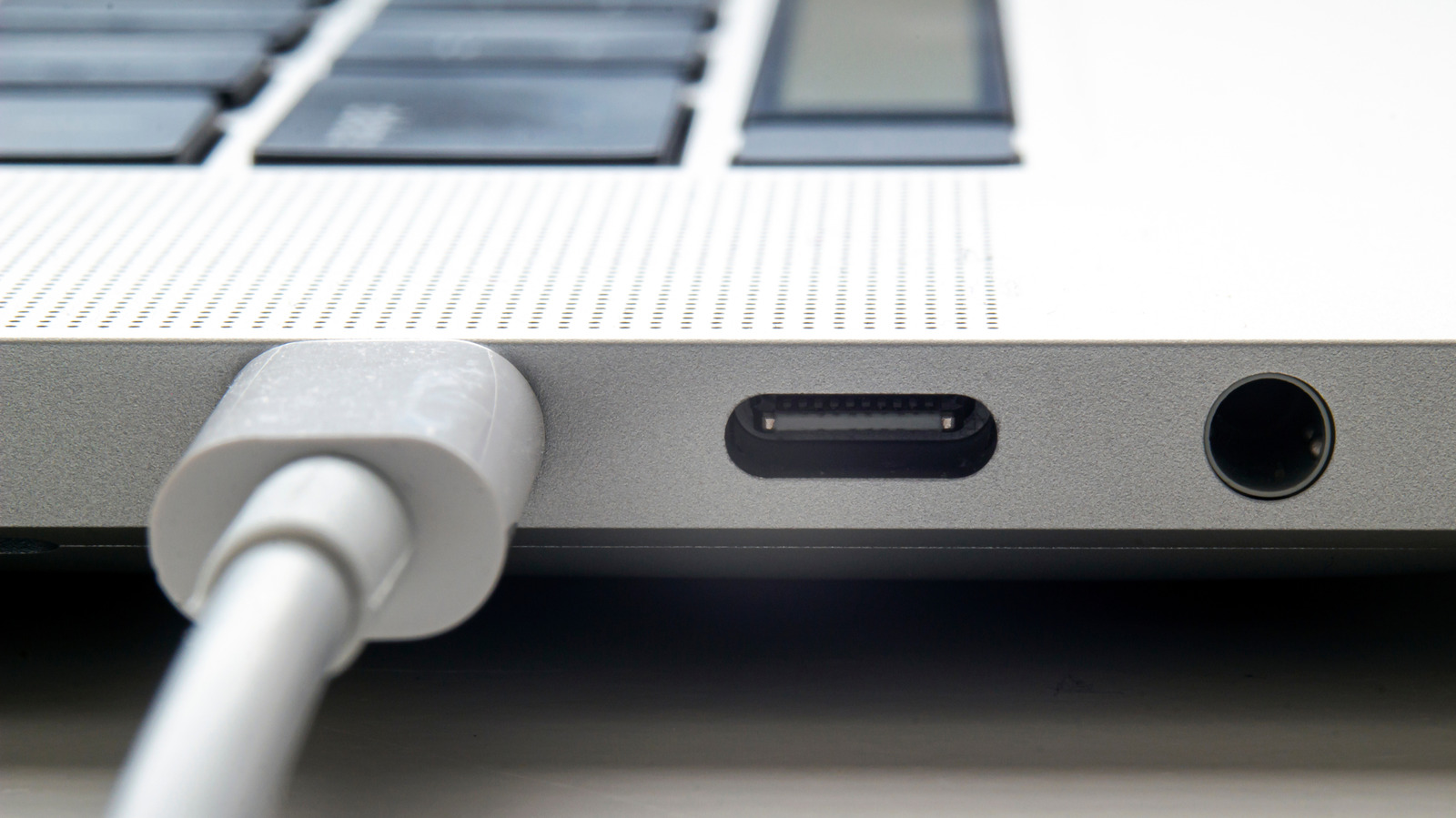
The Phantom Port: Decoding Your MacBook's USB Disconnects
Even Apple, a USB pioneer, can stumble. Dive into why MacBooks sometimes miss USB devices, common fixes, and the global implications of connection friction.

One UI's App Drawer: A Nod to Legacy in a Gesture-Driven Era
Samsung's One UI quietly removed the "all apps" button by default, yet offers a surprising olive branch to traditionalists. We unpack this subtle battleground…

AI's Architect Under Siege: Jensen Huang's Affair Sparks Espionage Probe
NVIDIA launches probe into CEO Jensen Huang over alleged Chinese spy efforts, linking a top executive's affair to national security concerns in the AI race.

Defying the Upgrade Cycle: Your Old Smartwatch Isn't Dead Yet
Don't toss that old smartwatch. Discover how to transform forgotten tech into a dedicated AI assistant, tracker, or note-taker, challenging Big Tech's upgrade…

The iPhone's Enduring Illusion: What the 'Cheaper' Past Really Cost
Unpacking Apple's iPhone pricing from 2007 to today. The Byte Republic examines how inflation and carrier shifts redefine perceived value for global consumers.