
Apple's $2.7 Billion Singapore Shift: A Global Tax Blueprint
Apple shifts its primary tax shelter to Singapore, saving $2.7B on $50B in profits. The Byte Republic examines Big Tech's global tax strategy and its wider…
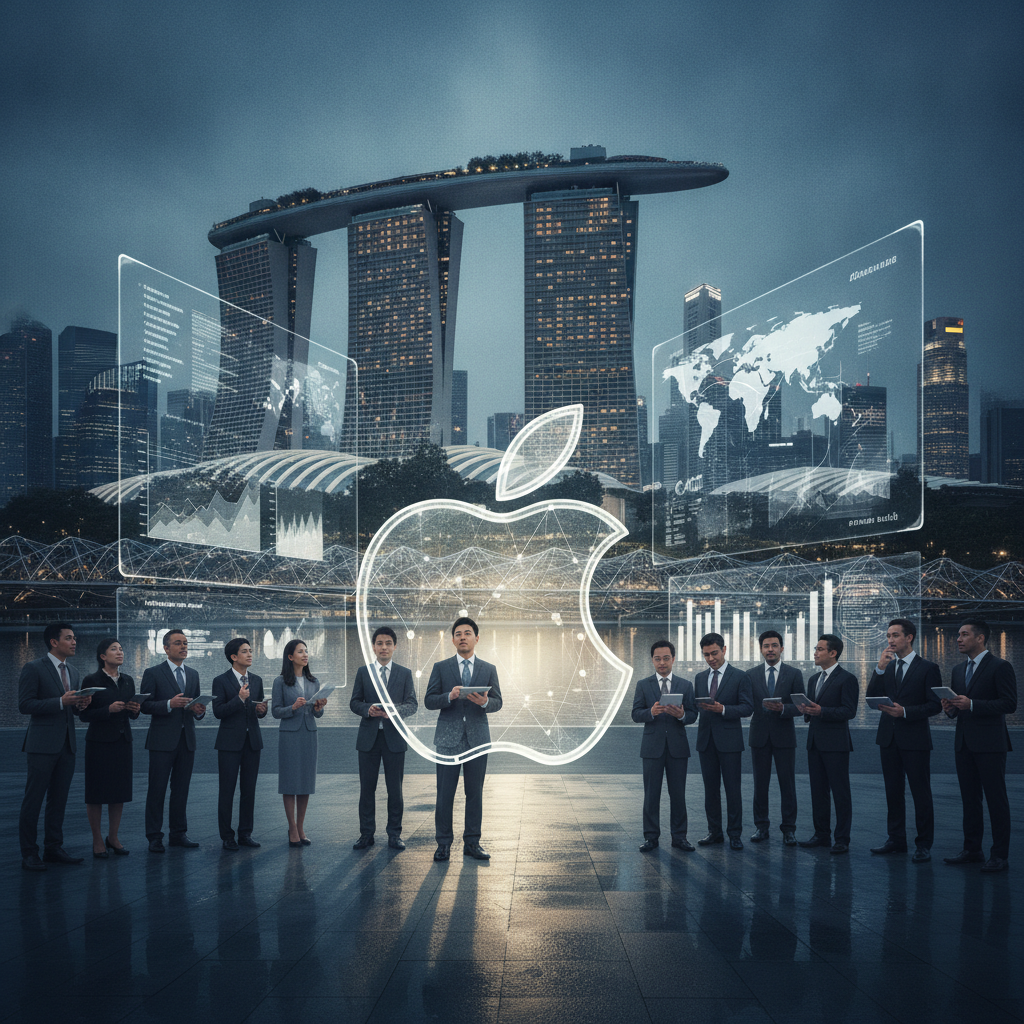
In a strategic maneuver that underscores Big Tech's relentless pursuit of profit optimization, Apple has reportedly shifted a staggering $50 billion in profits through Singapore, resulting in a formidable $2.7 billion in tax savings this year. This makes the city-state its new primary conduit for minimizing tax liabilities, surpassing Ireland, which previously facilitated $2.6 billion in savings.
The Shifting Sands of Corporate Finance
For years, Ireland has been synonymous with multinational corporate tax efficiency, offering favorable rates and a robust legal framework that attracted giants like Apple. The move to Singapore, however, signals an adaptation to an evolving global tax landscape, where jurisdictions constantly refine their appeal to high-value corporations. While the sums involved are staggering—representing a significant chunk of global corporate tax revenue—they are a testament to the sophistication and scale of Apple's financial operations, meticulously designed to navigate international fiscal boundaries and maximize shareholder value.
Singapore's Allure: A New Haven?
Singapore's rise as Apple's preferred profit routing hub is no accident. The nation has meticulously cultivated an environment attractive to global corporations, boasting a competitive corporate tax rate, a network of advantageous tax treaties, and a reputation for stability and efficiency. For a company like Apple, with sprawling global sales and a desire to consolidate profits in a low-tax jurisdiction before repatriation or reinvestment, Singapore offers a compelling alternative to traditional European havens, which have faced increasing scrutiny and pressure from international regulatory bodies to close loopholes.
The Global Angle
For readers of The Byte Republic, Apple's Singapore gambit is more than just a financial filing; it’s a revealing insight into the immense power and operational agility of Big Tech. Firstly, it highlights the ongoing, high-stakes game between multinational corporations and national tax authorities. While governments grapple with funding public services, tech titans like Apple possess the resources and legal ingenuity to legally minimize their contributions, often shifting billions across borders with relative ease. This dynamic has profound implications for global economic equity and the ability of nations to tax profits generated within their borders effectively. Secondly, it signals a potential geopolitical shift in the global tax avoidance map. As pressure mounts on traditional havens like Ireland, new jurisdictions with attractive frameworks emerge, inviting a fresh wave of corporate finance strategies. For venture capital and established tech players alike, understanding these shifts is crucial for strategic planning and assessing future regulatory risks. It's a sharp reminder that the innovation economy isn't just built on groundbreaking products but also on masterful financial engineering.
Source: Techmeme

Silicon vs. Slop: The Battle for Photographic Authenticity Begins
As AI deepfakes flood the internet, CAIM1's prototype camera offers a hardware-backed cryptographic solution to restore trust in digital images. "The Byte…

Decentralized AI: The True Cost of Cutting the Cloud Cord
Want AI on your own terms? The Byte Republic explores the critical hardware specs and financial investment needed to run powerful LLMs directly on your PC.

Your Old Laptop's Encore: Unleashing Dual-Screen Productivity Without New Hardware
Unleash hidden potential! Learn how savvy tech users are transforming old laptops into valuable second monitors, boosting productivity and reducing e-waste…
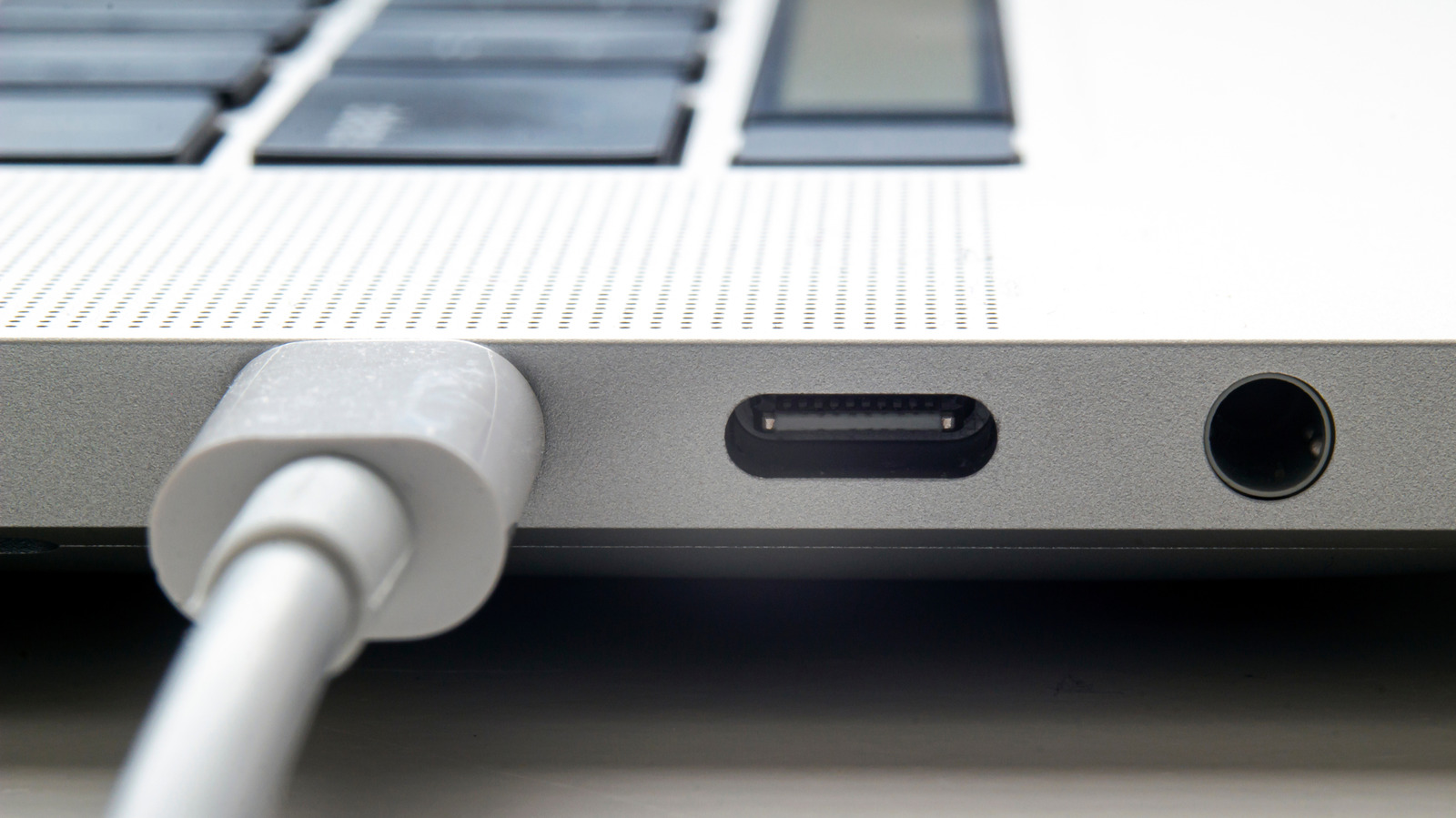
The Phantom Port: Decoding Your MacBook's USB Disconnects
Even Apple, a USB pioneer, can stumble. Dive into why MacBooks sometimes miss USB devices, common fixes, and the global implications of connection friction.

One UI's App Drawer: A Nod to Legacy in a Gesture-Driven Era
Samsung's One UI quietly removed the "all apps" button by default, yet offers a surprising olive branch to traditionalists. We unpack this subtle battleground…
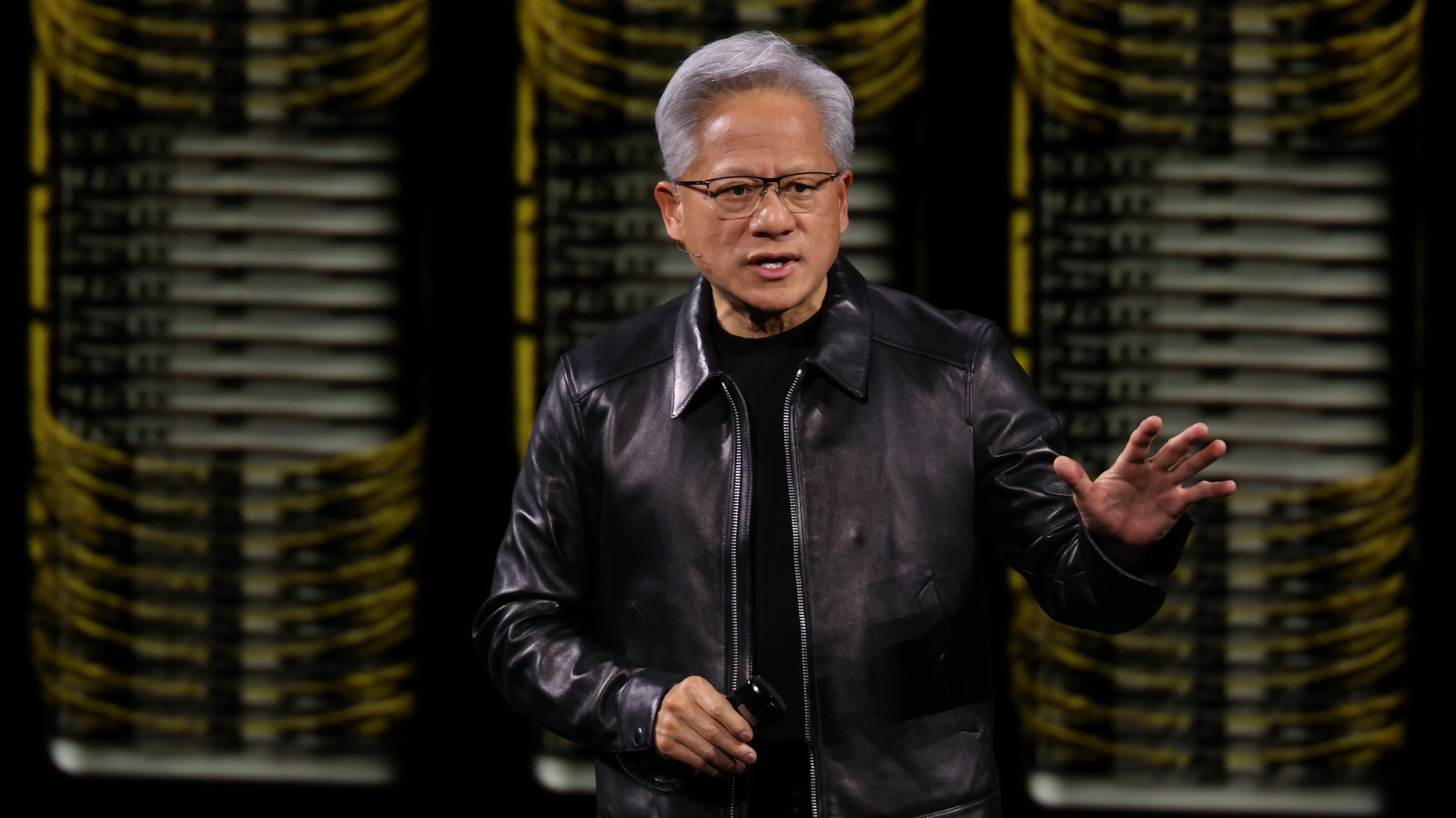
AI's Architect Under Siege: Jensen Huang's Affair Sparks Espionage Probe
NVIDIA launches probe into CEO Jensen Huang over alleged Chinese spy efforts, linking a top executive's affair to national security concerns in the AI race.

Defying the Upgrade Cycle: Your Old Smartwatch Isn't Dead Yet
Don't toss that old smartwatch. Discover how to transform forgotten tech into a dedicated AI assistant, tracker, or note-taker, challenging Big Tech's upgrade…