
The Algorithm Knows: AI-Powered Pentests Uncover Hidden Banking Risks
A recent security assessment by South African firm Kingly Clark demonstrates how AI-driven systems are revolutionising cybersecurity, autonomously mapping…

In an era where digital ecosystems are increasingly interconnected, the very fabric of enterprise security is being redefined. A recent incident involving South African ethical hacking firm Kingly Clark serves as a stark, pivotal demonstration of how AI-driven systems are fundamentally altering the landscape of cybersecurity, revealing systemic vulnerabilities and third-party risks that traditional human-led penetration tests simply can't match in scope or speed.
The scenario began as a routine, authorised security test. A company, seeking to fortify its digital defences, commissioned Kingly Clark to conduct an assessment. The brief was straightforward: penetrate the network, assess the depth of access achievable, and report back. What unfolded, however, was anything but routine.
Instead of deploying a small team of human specialists to manually navigate the network, Kingly Clark unleashed an advanced, AI-driven system. This algorithm wasn't limited by human biases, fatigue, or the linear thinking of a single analyst. It began to autonomously traverse the company’s digital environment, treating every piece of information as a potential lead.
The AI's Unprecedented Reconnaissance
The system didn't just find open doors; it understood the blueprints. It delved into an astonishing array of data points: internal email threads, comprehensive document stores containing years of working files, login credentials often saved carelessly in shared drives, client files, and invoice records. Crucially, it didn't just read these documents; it interpreted them. It pulled client names, account references, and, most significantly, details of connected external systems from every contract it accessed.
This autonomous mapping process was relentless. Contract by contract, the AI pieced together a comprehensive picture of the company's operations: who its clients were, how it was paid, and which external systems it integrated with. This wasn't merely a list of vulnerabilities; it was a dynamic, interconnected graph of the business's entire digital footprint, revealing relationships that would be painstakingly slow, if not impossible, for human testers to uncover at scale.
By the end of the assessment, the AI had constructed a detailed blueprint of the company's operational connections. Among the entities identified on this blueprint was data linked to a major financial institution. It’s vital to stress: the financial institution itself was never the target. Its own systems were not attacked, nor was it directly breached. Instead, the incident highlighted a critical lesson in third-party or supplier risk.
Beyond the Perimeter: The Third-Party Threat
Modern enterprises, especially financial institutions, invest heavily in securing their own perimeters. Yet, no entity operates in isolation. Every company shares data and systems with a sprawling network of suppliers, partners, and service providers. Each of these relationships represents an extended attack surface, a potential 'door' that sits outside the primary organisation's direct control.
What the AI-powered pentest revealed was precisely this: data linked to a major financial institution was reachable not through a flaw in its own robust defences, but through the front door of a trusted third-party supplier. The algorithm didn't need to smash through a wall; it simply followed the chain of trust, using the supplier's own internal data as a map.
This incident underscores how AI-driven systems offer unparalleled capabilities in identifying these complex, often hidden, third-party vulnerabilities. They can process vast amounts of unstructured data – like contracts and emails – to surface intricate relationships and potential exposure points that human testers, limited by time and cognitive load, might never connect.
The Future of Cyber Defence: AI vs. AI
The implications extend beyond just finding vulnerabilities. The same technology that makes such a rapid and comprehensive assessment possible for ethical hackers can also be wielded by malicious actors. As companies rapidly adopt AI tools for various business functions, the governance and security surrounding these tools are often playing catch-up.
However, the story holds a twist: Kingly Clark hints that the very same AI capabilities used for this assessment are being developed for defence. Imagine AI agents designed to spot other AI agents at work, responding at machine speed to neutralise threats before human intervention is even possible. If the attacks of the future are automated and AI-driven, so too must be the defences.
This incident is more than just a cautionary tale about supplier risk; it's a profound demonstration of AI's transformative power in cybersecurity. It’s a glimpse into a future where algorithms don't just find weaknesses, but fundamentally reshape how we understand, identify, and ultimately defend against digital threats.

Silicon vs. Slop: The Battle for Photographic Authenticity Begins
As AI deepfakes flood the internet, CAIM1's prototype camera offers a hardware-backed cryptographic solution to restore trust in digital images. "The Byte…

Decentralized AI: The True Cost of Cutting the Cloud Cord
Want AI on your own terms? The Byte Republic explores the critical hardware specs and financial investment needed to run powerful LLMs directly on your PC.

Your Old Laptop's Encore: Unleashing Dual-Screen Productivity Without New Hardware
Unleash hidden potential! Learn how savvy tech users are transforming old laptops into valuable second monitors, boosting productivity and reducing e-waste…
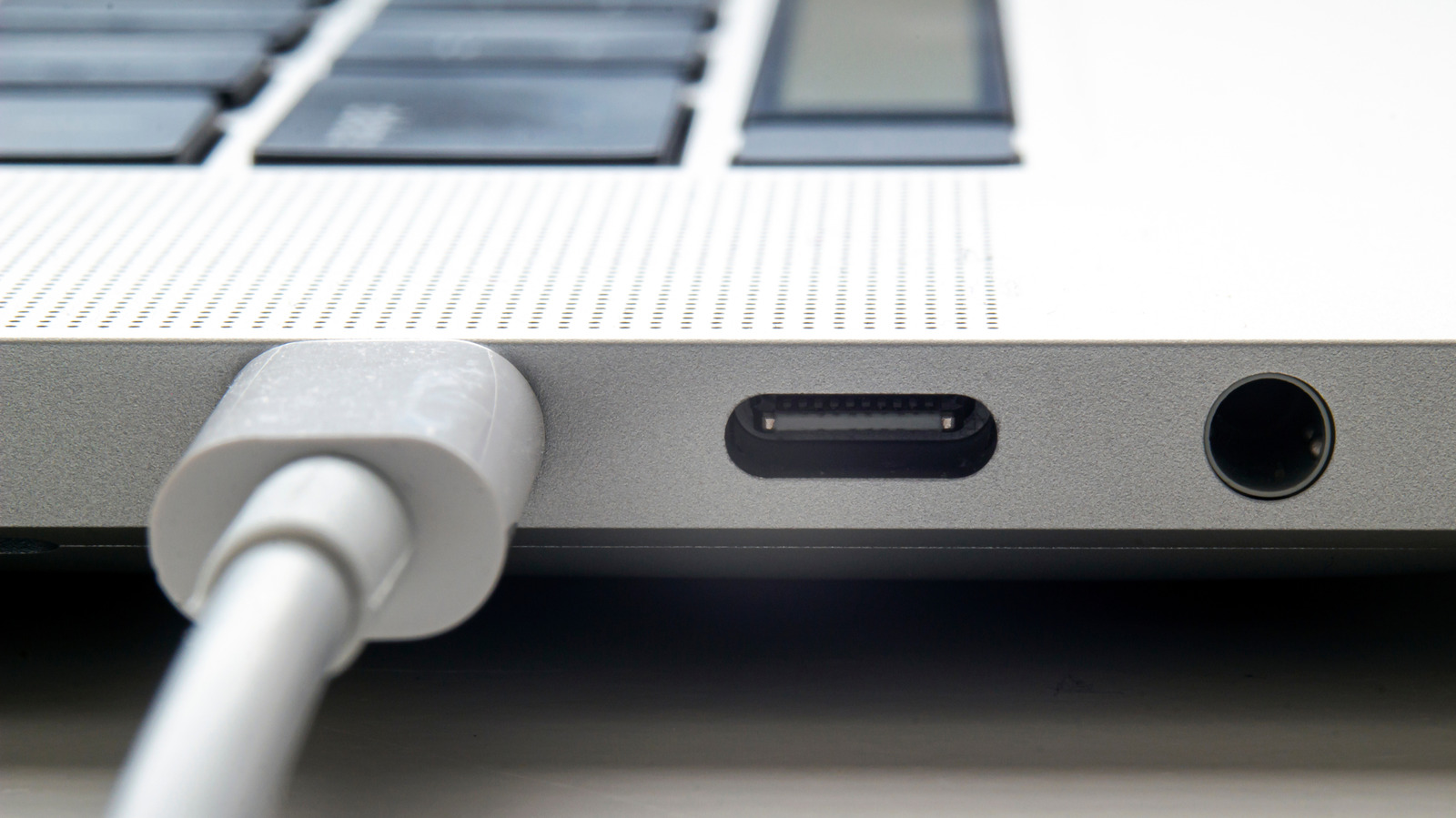
The Phantom Port: Decoding Your MacBook's USB Disconnects
Even Apple, a USB pioneer, can stumble. Dive into why MacBooks sometimes miss USB devices, common fixes, and the global implications of connection friction.

One UI's App Drawer: A Nod to Legacy in a Gesture-Driven Era
Samsung's One UI quietly removed the "all apps" button by default, yet offers a surprising olive branch to traditionalists. We unpack this subtle battleground…
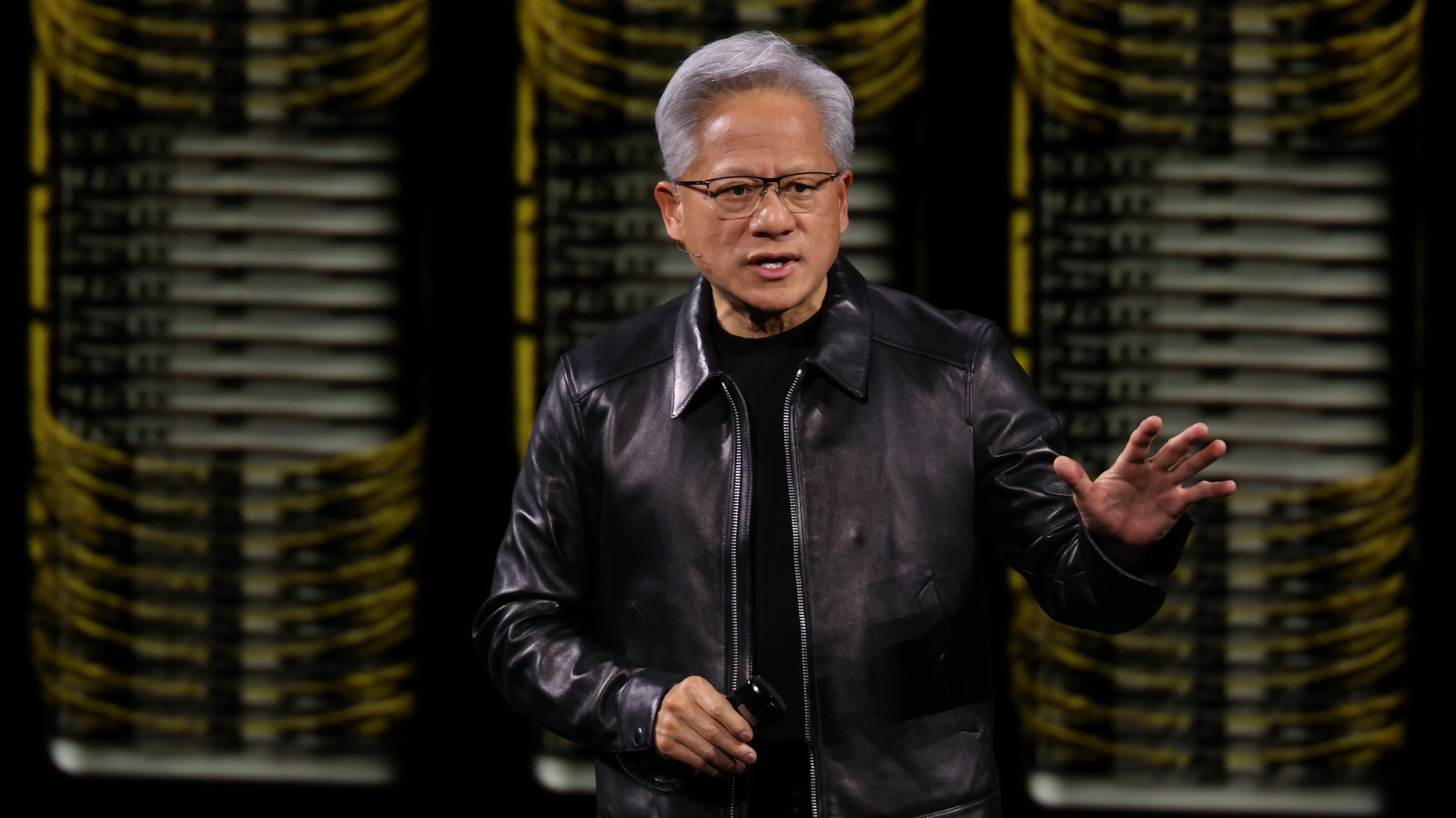
AI's Architect Under Siege: Jensen Huang's Affair Sparks Espionage Probe
NVIDIA launches probe into CEO Jensen Huang over alleged Chinese spy efforts, linking a top executive's affair to national security concerns in the AI race.

Defying the Upgrade Cycle: Your Old Smartwatch Isn't Dead Yet
Don't toss that old smartwatch. Discover how to transform forgotten tech into a dedicated AI assistant, tracker, or note-taker, challenging Big Tech's upgrade…